
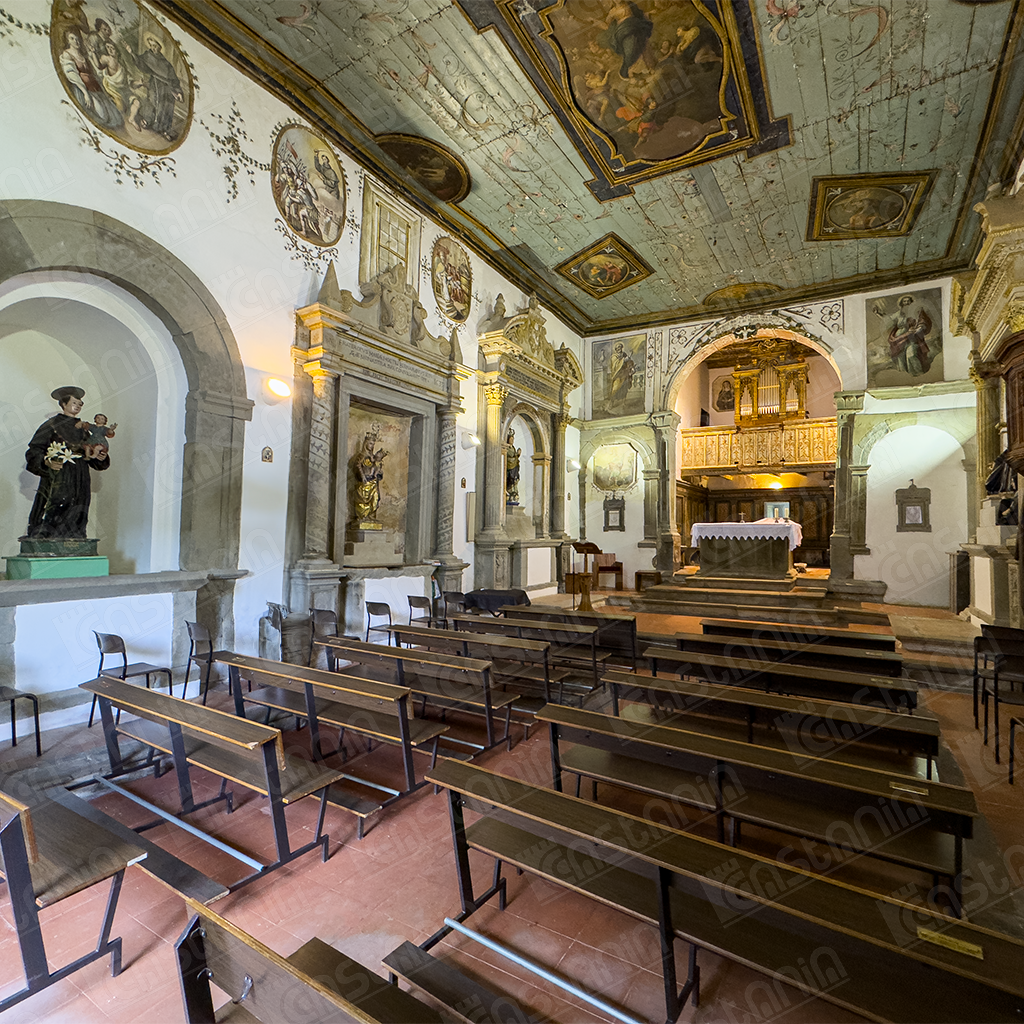
3 - CHIESA SAN FRANCESCO D’ASSISI
Costruita probabilmente nel 1574 insieme al Convento dei Frati Minori Conventuali, oggi conserva solo un corridoio dell’antico complesso. La preziosa biblioteca andò perduta nel XIX secolo. Dopo il 1860 il convento divenne Municipio di Castell’Umberto e sede parrocchiale fino al 1936. La chiesa ha facciata a due spioventi con portale decorato, tre finestre e scalinata verso il campanile. L’interno, a navata unica, termina con abside quadrangolare con coro ligneo e cantoria con organo intagliato. Notevole il soffitto decorato con quadri biblici. Presenti affreschi e altari, tra cui quello dell’Immacolata (1752). Restaurata nel 1633 e nel 1914, ospita la festa di San Francesco.
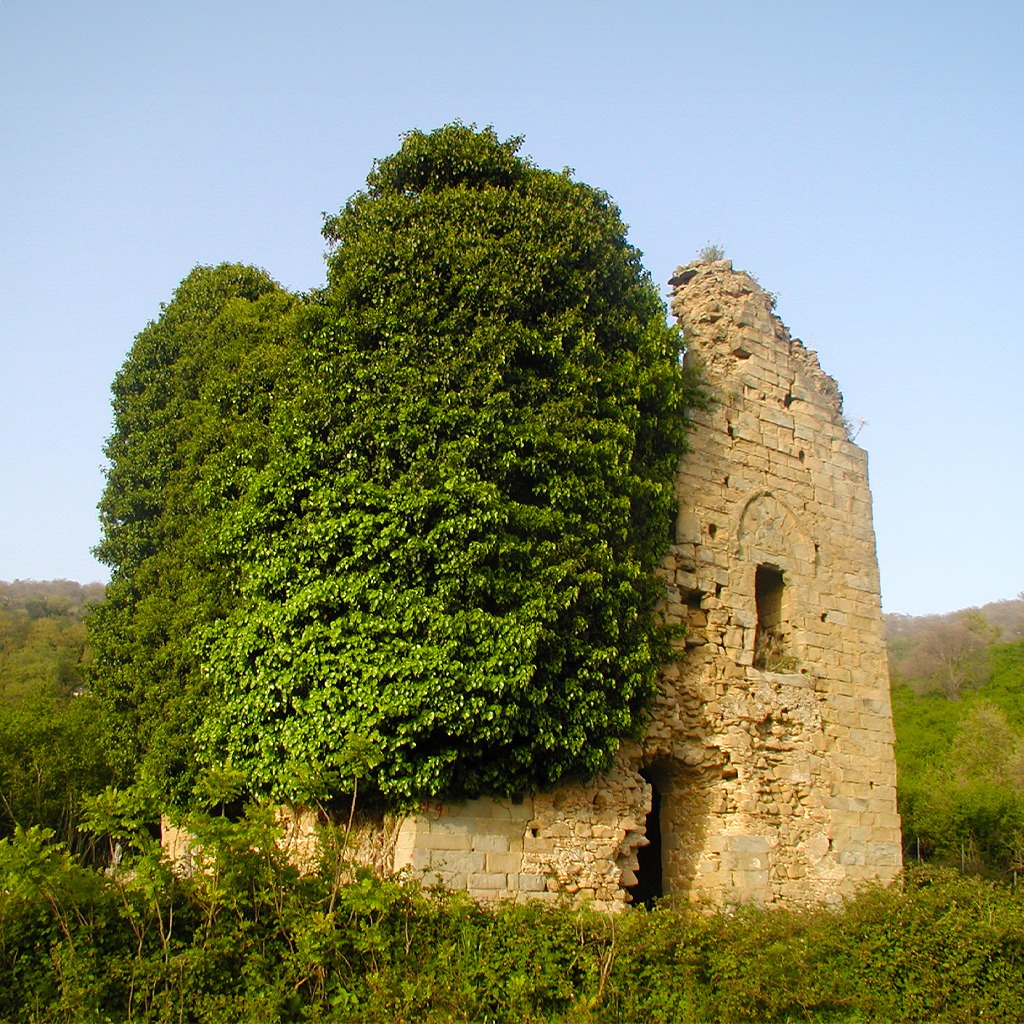
7 - RUDERI TORRE SOLLIMA
La torre centrale del “Castello”, a struttura quadrata di tipo bizantino, risale probabilmente all’epoca dell’invasione saracena (800 d.C.) e svolgeva funzioni difensive sulla Vallata del Fitalia insieme ad altre torri. Durante la Signoria dei Sollima (1553) fu trasformata in abitazione, assumendo il nome di “Castello”. Secondo Francesco Nicotra, servì come dimora, difesa, carcere e luogo di tortura. Oggi restano ruderi con un muro in buono stato, tracce delle carceri e degli strumenti di supplizio. Nel corpo centrale si trovano una scala a chiocciola e una galleria, probabilmente collegata alle altre torri difensive.
Prenota
Galleria
Immersivo
Suoni
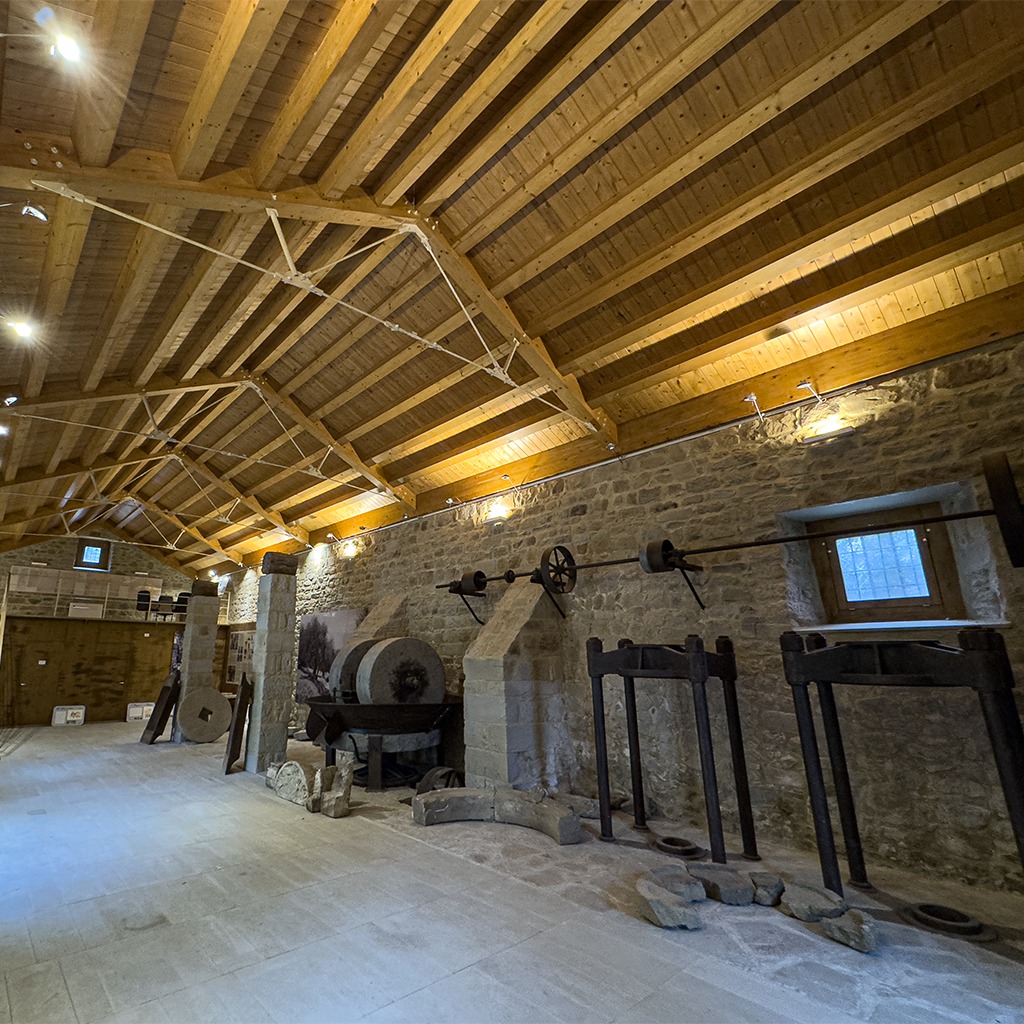
16 - MUSEO DELL'OLIO
Il Museo dell’Olio e dell’Identità Siciliana ha sede in un antico frantoio domenicano del 1508, esempio di industria rurale legata alla produzione olearia. Conosciuto come “u trappitu”, rimase attivo fino al 1965. Nel 2014 è stato trasformato in spazio culturale ed espositivo dedicato alla valorizzazione del territorio castanese e delle sue tradizioni. Al suo interno sono state recuperate e conservate alcune parti degli impianti originari, come la macina, le vasche e le mole, testimonianze del lavoro e delle tecniche produttive del passato.
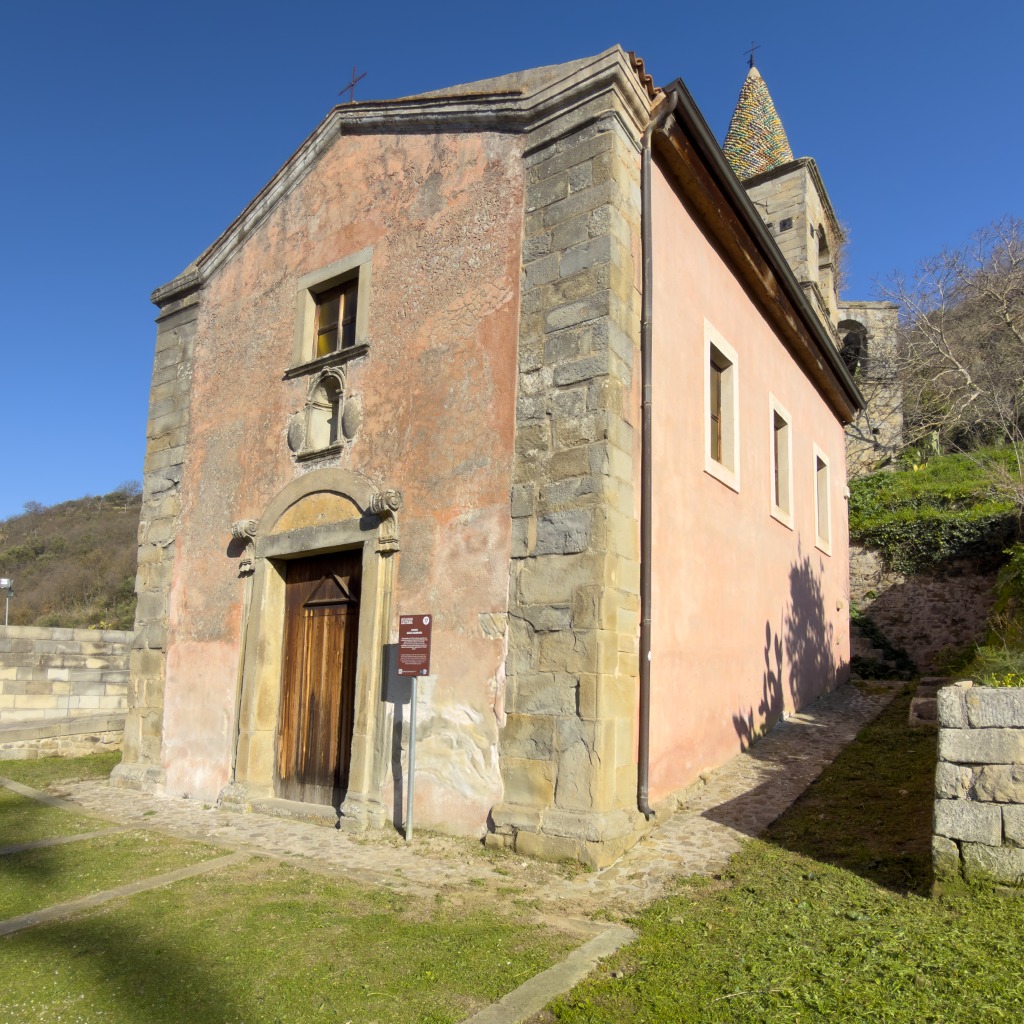
17 - CHIESA SANTA BARBARA
La Chiesa di Santa Barbara, esistente già nel 1472 ma di fondazione ignota, ospitava tre altari dedicati a Santa Barbara, San Gaetano e Santa Lucia. L’altare maggiore accoglieva un grande dipinto del Martirio di Santa Barbara, affiancato da una statua della Santa e da un quadro di San Bartolomeo. La facciata presentava una nicchia con una piccola statua, oggi nella nuova Chiesa Madre di Castell’Umberto, e due rilievi simbolici del martirio. Di pregio la cuspide del campanile in pietra maiolica di Naso. La chiesa è stata restaurata nel 1996.
Prenota
Galleria
Immersivo
Suoni
18 - AUDITORIUM
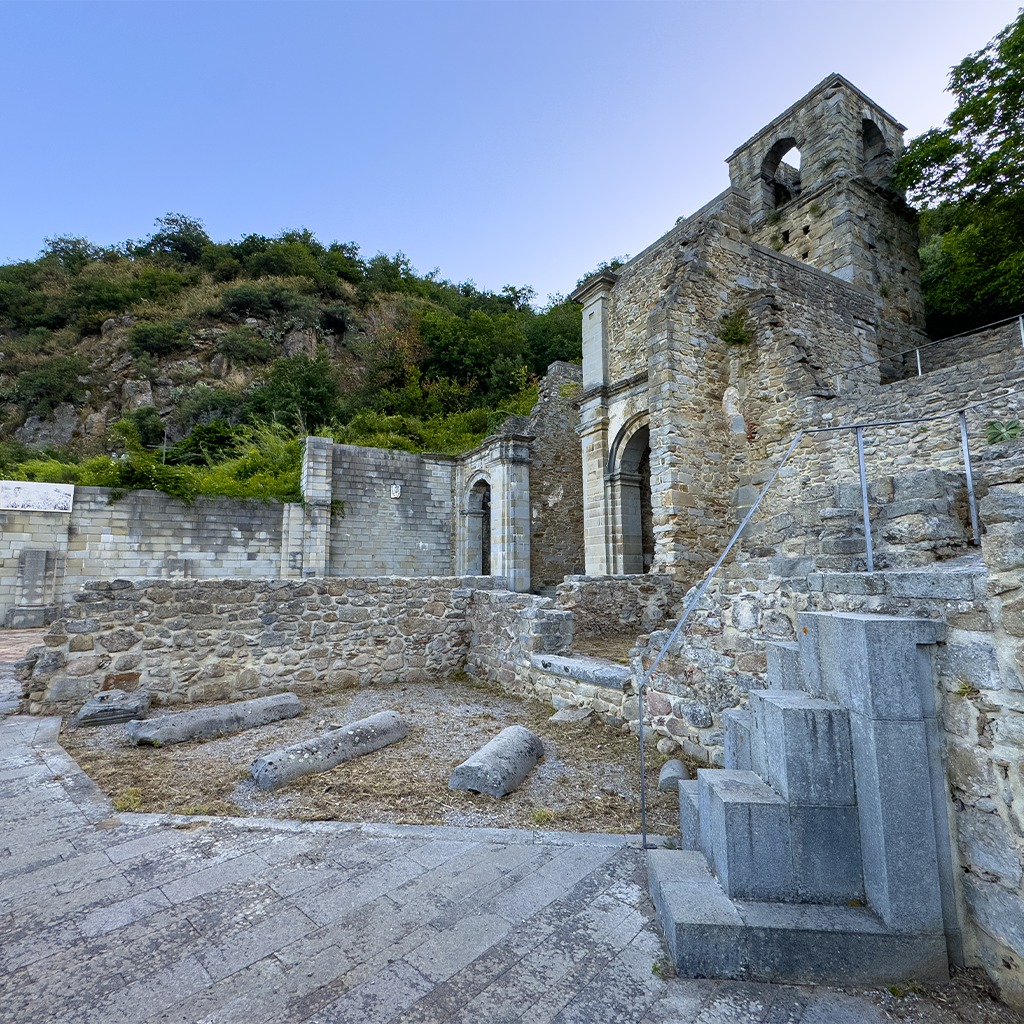
Il Convento Domenicano con la Chiesa di San Vincenzo Ferreri fu fondato nel XV secolo per volontà del Beato Giovanni di Pistoia. Secondo la tradizione, indicò il luogo gettando una pietra, dove sorse il complesso. La chiesa, di ordine toscano, aveva tre navate con colonne monolitiche in arenaria, ricchi affreschi e un altare in marmo. Oggi restano abside, cappelle laterali, campanile e tracce del convento. Dopo il recupero del 2009, l’area è utilizzata come auditorium all’aperto, mantenendo anche la funzione religiosa.
19 - FONTANA "A CHIAZZA"
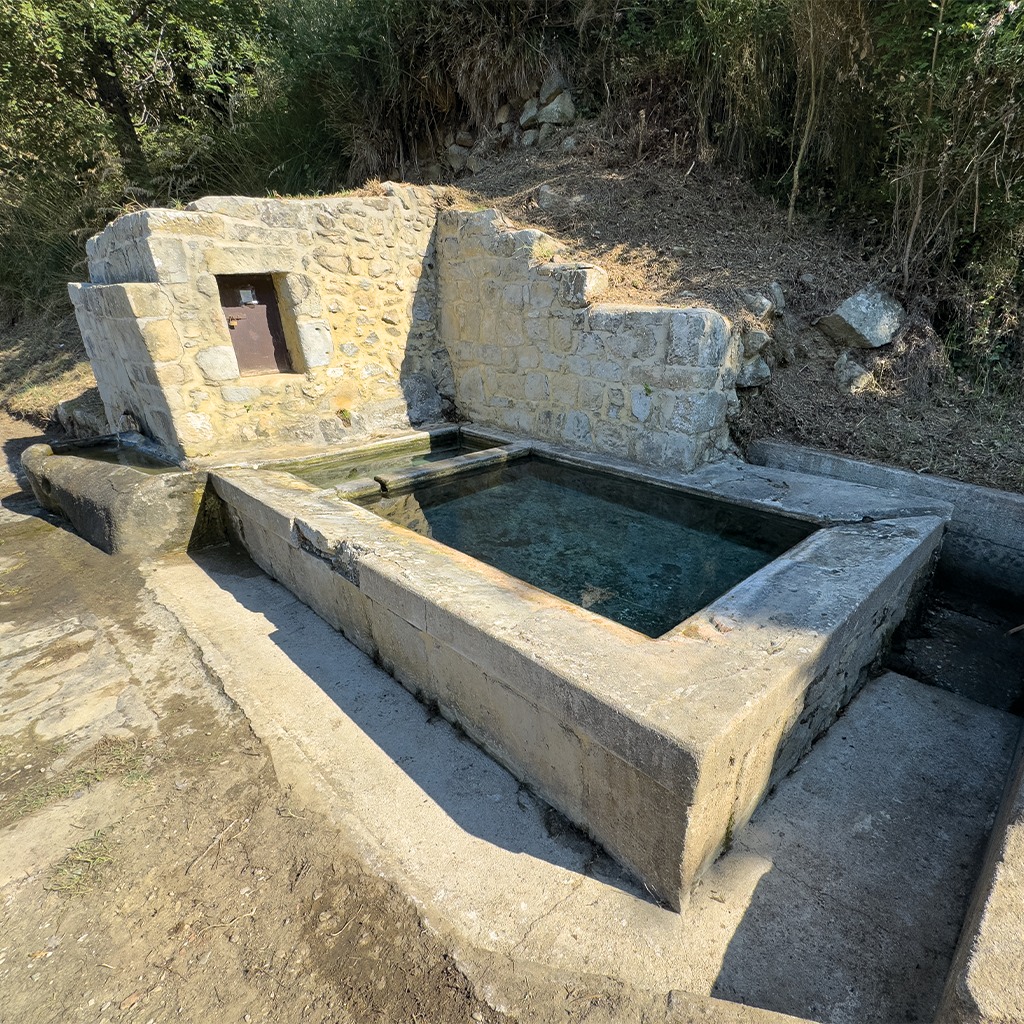
La Fontana Piazza, detta “Funtana a Chiazza”, era un luogo centrale per la comunità e punto di sosta per i viaggiatori della Valle del Fitalia, che vi trovavano ristoro. Gli abitanti vi si recavano ogni giorno per attingere acqua per i bisogni domestici. La struttura era divisa in due parti: una destinata all’abbeveraggio degli animali e l’altra utilizzata come lavatoio pubblico, svolgendo così un ruolo essenziale nella vita quotidiana del paese.
Prenota
Galleria
Immersivo
Suoni
20 - "CHIANU A VUCCIARIA"
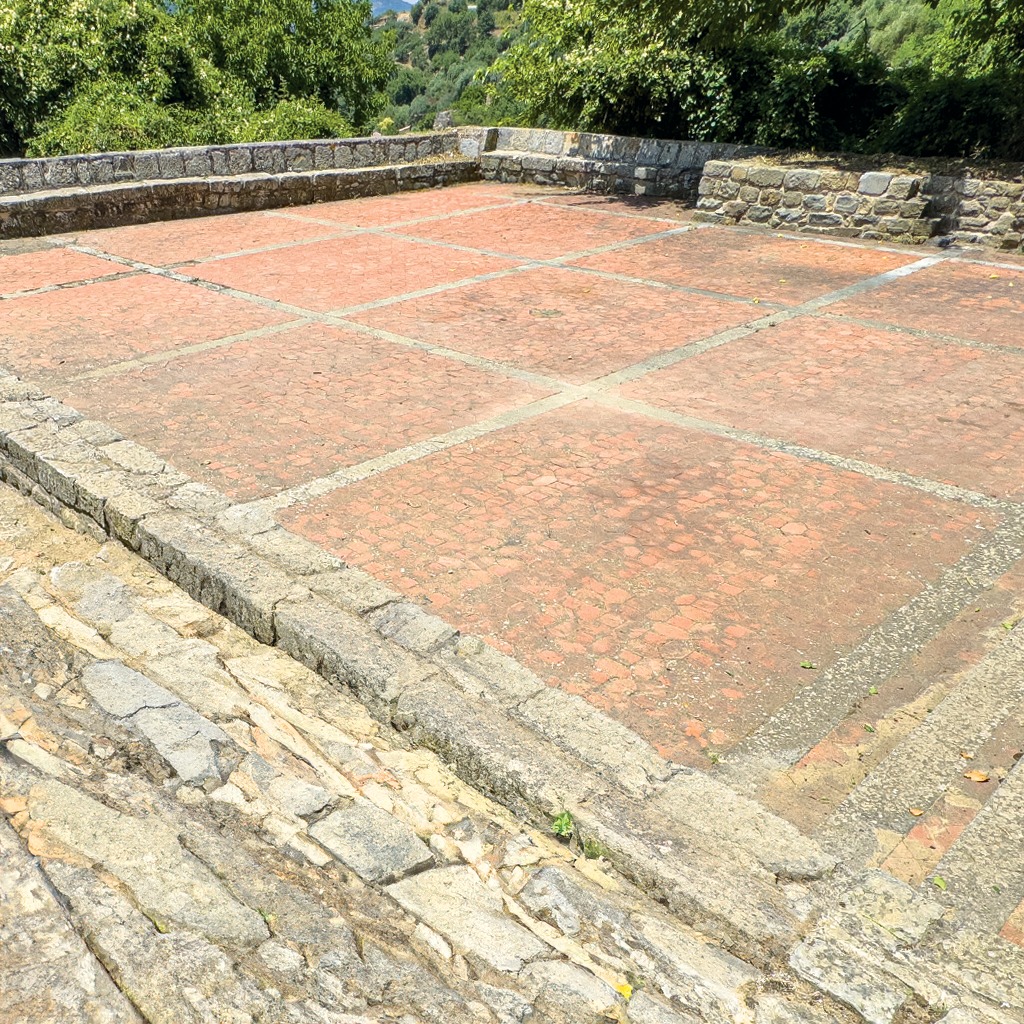
“U Chianu a Vucciria”, risalente al XII-XIII secolo, era il centro della vita sociale e politica dei Castanesi. La piazza fungeva da tribunale all’aperto, dove si annunciavano le decisioni e i feudatari esercitavano il potere, anche con dure punizioni. I condannati potevano subire frustate o torture sulla “balata u culo”, una pietra ancora visibile. Nei casi più gravi si arrivava alla morte. Il nome potrebbe derivare da “uccirìa” (uccisione), ma più probabilmente da “vuccirìa”, cioè mercato e luogo di voci.
27 - CHIESA SAN SEBASTIANO
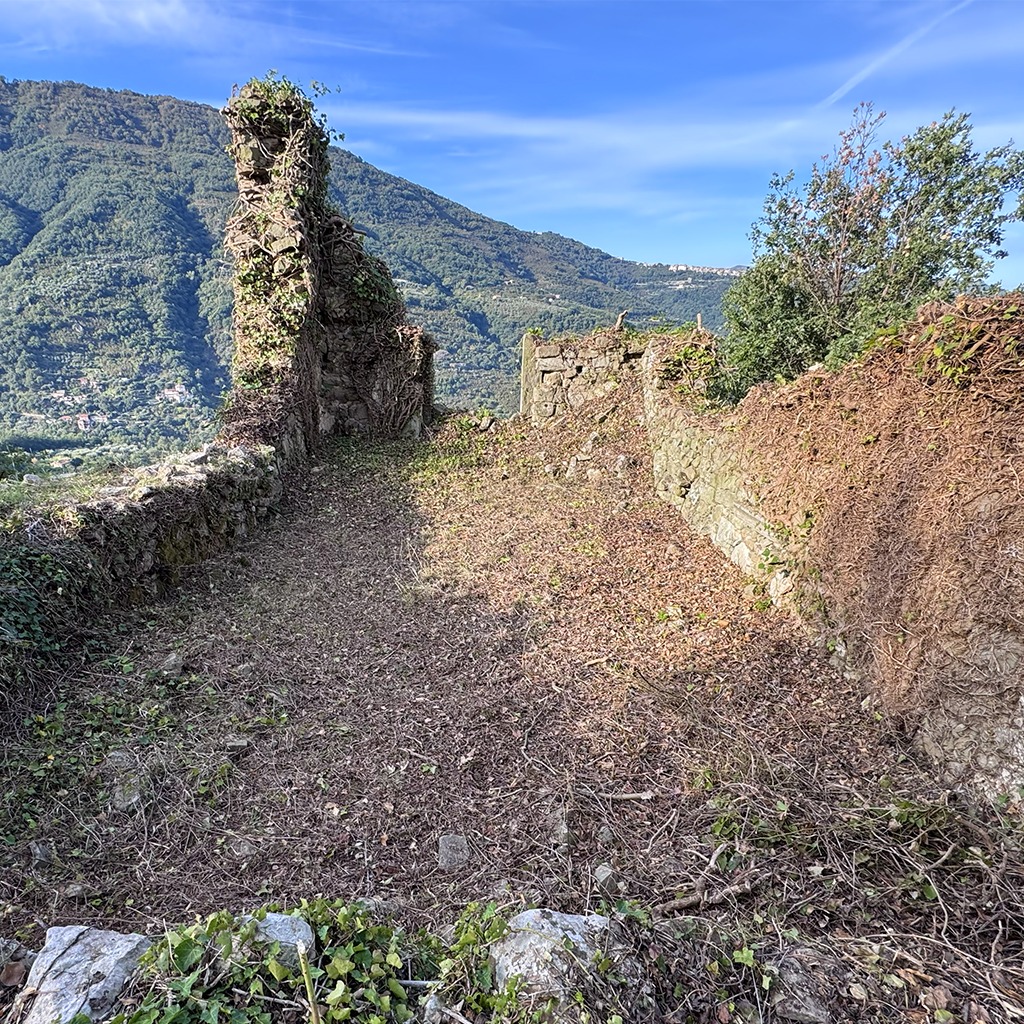
La Chiesa di San Sebastiano, risalente al XVII secolo, è tra le più recenti del paese. Nel 1615 l’Arcivescovo di Messina donò le reliquie del Santo e, su richiesta della popolazione, istituì la festa annuale il 20 gennaio. L’edificio era caratterizzato da un elegante campanile, al cui interno si trovava una scala di notevole pregio architettonico, progettata in modo da sembrare sospesa nel vuoto, priva di sostegni visibili, suscitando grande meraviglia.
Prenota
Galleria
Immersivo
Suoni
29 - CHIESA SAN NICOLA
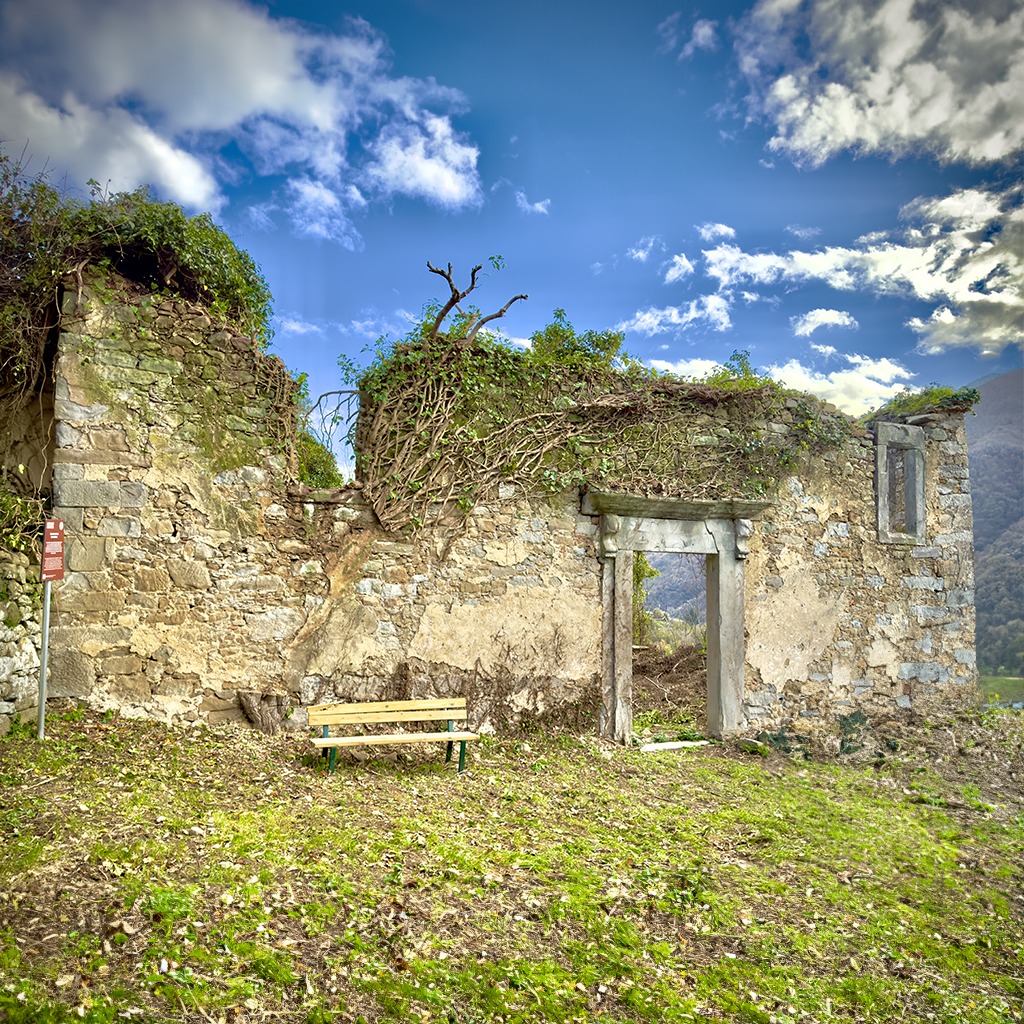
La Chiesa di San Nicola, risalente al XII secolo, fu la prima Chiesa Madre di Castanìa. Aveva un soffitto a cassettoni decorato con rosoni dorati e affreschi sulla vita del Santo; oggi restano solo la torre campanaria e i muri perimetrali. Concessa nel 1178 dall’Arcivescovo Nicolò di Messina all’Abbazia di Maniace, fu gestita dai monaci basiliani, rendendo il paese di rito greco. Con il declino della disciplina monastica, fu abbandonata e saccheggiata, portando alla costruzione di una nuova Chiesa Madre in posizione più centrale.
37 - CHIESA SAN BIAGIO
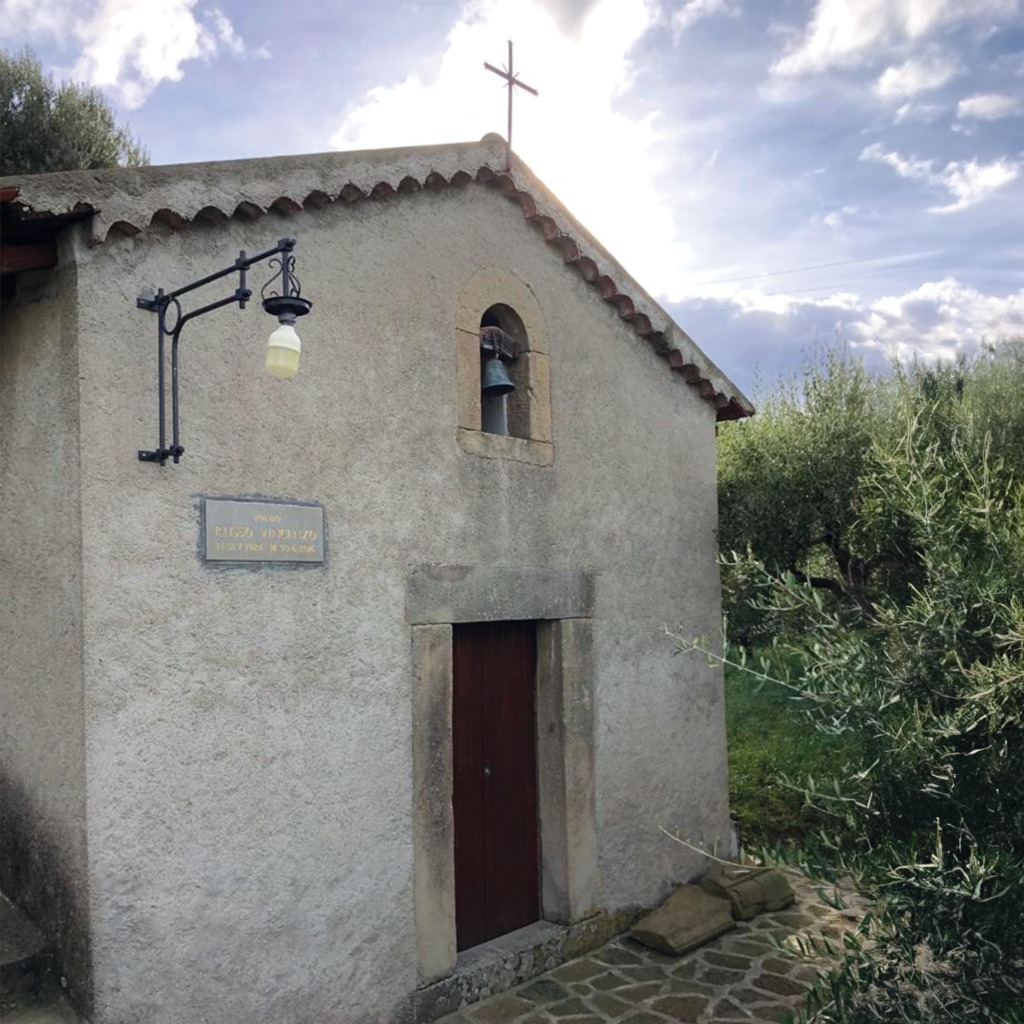
La Chiesa di San Biagio, risalente al XIV secolo, faceva parte del complesso conventuale omonimo. Ridotta a rudere, fu ricostruita nel 1809 da Carmelo De Luca, che nel 1839 realizzò un frantoio adiacente, attivo fino agli anni ’50. La Messa annuale del 3 febbraio, con la benedizione dei panetti e della gola, si interruppe negli anni ’90 per il degrado dell’edificio. Nell’estate 2013 gli abitanti della Borgata Morello restaurarono volontariamente la chiesa e la statua del Santo. Il 3 febbraio 2014 la chiesa riaprì al culto, riprendendo la tradizionale festa rurale.
Prenota
Galleria
Immersivo
Suoni